My Struggle for Eritrea and Africa: Talks with Michel Collon occupies a distinctive place in African political literature because it presents sovereignty as a lived experience rather than an abstract theory. The narrative emerges from a leader who participated directly in Eritrea’s liberation struggle and later confronted the geopolitical pressures that followed independence. This firsthand vantage point gives the text a clarity and immediacy that set it apart from more conventional analyses of African statehood (Collon, 2016).

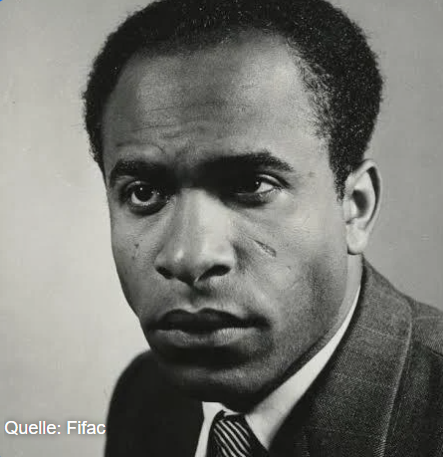
When compared with Frantz Fanon’s The Wretched of the Earth, the contrast becomes instructive. Fanon wrote from the psychological furnace of anti‑colonial revolt, diagnosing the structural and emotional violence embedded in colonial domination (Fanon, 1963). His work remains foundational, yet it ultimately theorizes liberation rather than governing it. The Eritrean text, by contrast, moves beyond diagnosis to describe the discipline required to defend sovereignty under sustained external pressure.

A second point of comparison emerges with the academic analyses found in Ogot’s Africa’s International Relations. That collection examines how African states navigate global systems, emphasizing diplomacy, regional blocs, and institutional constraints (Ogot, 1995). While valuable for understanding structural forces, it remains detached from the lived realities of political survival. My Struggle for Eritrea and Africa fills that gap by revealing how narratives, sanctions, and misinformation function as tools of coercion in contemporary geopolitics.
Taken together, these works illuminate different dimensions of African political life. Fanon calls for revolutionary consciousness, and Ogot maps the architecture of global power, but the Eritrean text demonstrates what sovereignty looks like when it is actively practiced. It blends memory with statecraft and pairs national experience with a continental message: Africa’s future depends on reclaiming its voice and resisting the subtle forms of tutelage that persist in global governance (Collon, 2016).
In this sense, the book is more than an Eritrean narrative. It challenges African readers to reconsider liberation not as a historical event but as an ongoing discipline. It argues that sovereignty retains meaning only when defended with clarity, sacrifice, and principle. By situating Eritrea’s experience within broader African debates, the text invites the continent to reflect on the hard, often uncomfortable work of maintaining independence in a world that rewards dependency.
Written by Zahlay
References:
Collon, M. (2016). My struggle for Eritrea and Africa: Talks with Michel Collon. Investig’Action.
Fanon, F. (1963). The wretched of the earth. Grove Press.
Ogot, B. A. (Ed.). (1995). Africa’s international relations. East African Educational Publishers.
እዛ "ቃልሰይ ንኤርትራን ኣፍሪቃን " እትብል መጽሓፍ ፕረዚደንት ሃገረ ኤርትራ ኢሳይያስ ኣፈወርቂ፡ ብቛንቋታት እንግሊዝን ፈረንሳን ስለ እተጻሕፈት፣ እንፈልጦምን እንቐርቦምን ወጻእተኛታት (ኣፍሪቃውያን ይኹኑ ኤውሮጳውያን፡ እስያውያን ይኹኑ ኣሜርካውያን) ብዛዕባ ሃገርናን ጎዶቦናን መታን ቅኑዕን ንጹርን መረዳእታ ኽረኽቡ፣ ከም ህያብ ንኽነቕርበሎም ጽቡቕ ኣጋጣሚ ምኾነት ንብል።
To order the book, please click on the following link / መጽሓፍ ንምእዛዝ ኣብዚ ዝስዕብ መራኸቢ ምውካስ ይከኣል፦
https://investigaction.net/boutique/my-struggle-for-eritrea-and-africa/
It is also available on Amazon.
ብመገዲ ኣማዞን እውን ከም እትርከብ ተሓቢሩ ኣሎ።
#Eritrea #EPLF #MyStruggleForEritreaAndAfrica #PresidentIsaiasAfewerki #EritreanPresident #MichelCollon #Africa #Africans #HornOfAfrica #RedSea #Ethiopia #Tigray #BooksOfEritrea #EritreanRevolution #AfricanRevolution #AfricanLiberation
Kommentar hinzufügen
Kommentare